A comfortable home depends on more than attractive rooms and reliable heating or cooling. The roof plays a major role in controlling indoor temperatures because it separates the living space from direct sunlight, outdoor cold, wind, and changing weather. When roof insulation is inadequate, heat can escape during winter and enter the home during summer. This can make rooms uncomfortable and increase energy consumption throughout the year.
Choosing the best roof insulation types is therefore an important part of a complete roof upgrade. The right material can reduce unwanted heat transfer, support consistent indoor temperatures, and help heating and cooling systems operate more efficiently. However, insulation is not a one-size-fits-all product. Different materials offer different thermal performance, moisture resistance, installation requirements, costs, and lifespans.
A homeowner renovating an older property may need a different solution from someone insulating a newly constructed roof. Climate, roof design, available space, ventilation, and budget all influence the decision. Understanding these factors makes it easier to choose an insulation system that performs well rather than simply buying the material with the highest advertised rating.
Why Complete Roof Insulation Matters More Than a Simple Material Upgrade
The roof receives substantial exposure to outdoor conditions. During hot weather, sunlight heats the roof surface, and some of that heat moves toward the rooms below. During cold weather, warmth generated inside the home can escape through poorly insulated roof structures. Insulation slows this heat transfer and helps maintain a more stable indoor environment.
A complete roof insulation upgrade considers the entire assembly rather than focusing only on the insulation product. Roof coverings, underlayments, structural components, ventilation pathways, air sealing, and moisture control all influence performance. Even a high-quality insulation material may disappoint if gaps remain around roof penetrations or if moisture becomes trapped within the structure.
For example, an older home may have insulation between ceiling joists but still experience uncomfortable temperatures near the roof edges. The problem might involve insufficient coverage, compressed insulation, air leakage, or poorly insulated access points. Adding another layer without investigating these weaknesses may not solve the underlying issue.
The best roof insulation types should therefore be evaluated as part of a properly designed system. A suitable installation can reduce heat loss, improve comfort, and support energy efficiency. It should also protect the roof structure from avoidable moisture problems.
Fiberglass and Mineral Wool: Reliable Options for Traditional Roof Spaces
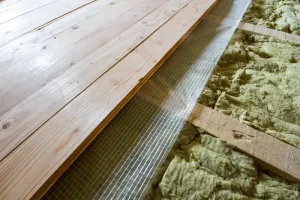
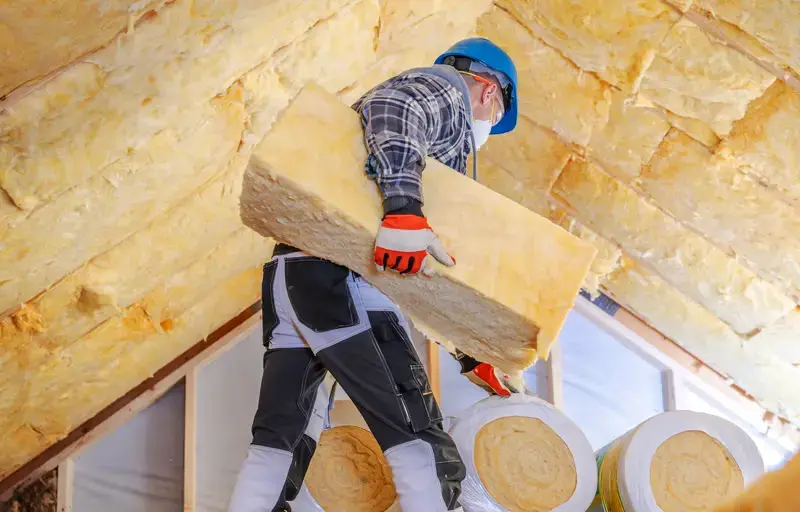
Fiberglass is one of the most widely used insulation materials for residential roofs and lofts. It is manufactured from fine glass fibers and commonly supplied in rolls, batts, or loose-fill products. Its popularity comes from its relatively accessible cost, lightweight construction, and ability to fit between standard framing members.
Fiberglass batts can be practical in accessible roof spaces with regular joist or rafter spacing. They are available in different thicknesses and thermal performance ratings. However, correct installation is essential. Gaps, compression, and poorly fitted sections reduce effectiveness. Fiberglass also requires appropriate protective equipment during installation because loose fibers can irritate the skin, eyes, and respiratory system.
Mineral wool, sometimes called rock wool or stone wool, is another useful option. It is made from mineral-based fibers and is commonly available in batts and boards. It offers good thermal performance and can provide valuable acoustic insulation. Many mineral wool products also have strong fire-resistance characteristics, although the performance of the complete roof assembly depends on the specific product and construction details.
Mineral wool can be particularly useful where sound reduction matters. A home near a busy road, for example, may benefit from insulation that helps reduce airborne noise as well as heat transfer. Its density can also make it suitable for certain roof and wall applications.
When comparing these best roof insulation types, consider the required thickness, thermal resistance, moisture exposure, fire classification, and installation details. Neither material should be allowed to remain wet. The roof must be protected against leaks, and the assembly needs a suitable moisture-management strategy.
Spray Foam Insulation for Complex Roof Structures
Spray polyurethane foam is applied as a liquid that expands and hardens into an insulating layer. It is available in open-cell and closed-cell formulations, which have different physical properties and applications. One major advantage is its ability to conform to irregular surfaces and reach areas that may be difficult to insulate using rigid boards or standard batts.
Open-cell spray foam is generally lighter and less dense. It expands considerably and can provide effective thermal and air-sealing performance when correctly installed. Closed-cell foam is denser and typically offers greater thermal resistance per unit thickness. It can also resist water vapor more strongly, depending on the product and installed thickness.
These properties make spray foam attractive for some roof upgrades, especially where the roof geometry is complicated or space is limited. However, it requires careful planning. Incorrect application can create problems involving ventilation, moisture movement, roof inspection, or future repairs.
An important distinction is whether the roof is designed as a vented or unvented assembly. Applying foam directly beneath roof sheathing can change how the roof manages heat and moisture. The correct approach depends on climate, roof construction, local building regulations, and the manufacturer’s specifications.
Spray foam installation should be handled by trained professionals. The chemicals used during application require strict safety procedures, including appropriate protective equipment and ventilation. Occupants may need to remain away from the work area during installation and curing, according to product guidance.
Although spray foam can be among the best roof insulation types for certain complex designs, it is not automatically the best choice for every property. A qualified professional should assess the existing roof, moisture conditions, and ventilation strategy before recommending it.
Rigid Foam Boards for High-Performance Roof Upgrades
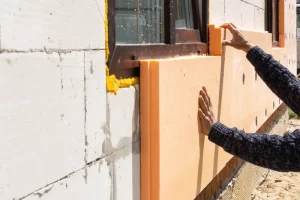
Rigid foam insulation boards are widely used in roof construction because they provide consistent insulation in a relatively compact form. They can be installed above roof decking, below certain roof structures, or in other locations approved by the system design. Their rigidity makes them useful when a continuous insulation layer is required.
Common types include polyisocyanurate, expanded polystyrene, and extruded polystyrene. Each has different thermal, moisture, and structural characteristics.
Polyisocyanurate, often called polyiso, is commonly used in commercial and residential roofing systems. It offers relatively high thermal resistance per inch compared with many conventional insulation materials. It is frequently supplied with facing materials that form part of the product’s design. Its performance can vary with temperature, so designers should use appropriate manufacturer data rather than relying on a single advertised figure.
Expanded polystyrene, or EPS, is a lightweight foam board with a cellular structure. It is used in various roof and building applications. Its thermal performance, moisture behavior, and compressive strength depend on the specific grade and product.
Extruded polystyrene, or XPS, is another rigid foam option. It generally has a more uniform closed-cell structure and is often selected for applications where moisture resistance and compressive strength are important. However, product performance and environmental considerations should be reviewed before selection.
Rigid boards can help reduce thermal bridging when installed as a continuous layer across suitable roof surfaces. Thermal bridging occurs when heat travels more easily through structural elements than through the surrounding insulation. Covering these pathways can improve the overall thermal performance of the roof.
The best roof insulation types for a particular property depend on the roof’s load requirements, available height, weather exposure, and construction method. Rigid boards must be installed with suitable joint treatment, fixing methods, weather protection, and compatible roofing materials.
Cellulose and Other Loose-Fill Insulation for Existing Roof Spaces
Cellulose insulation is generally manufactured from recycled paper products treated with additives designed to improve fire resistance and pest resistance. It is commonly installed as loose-fill material and can be suitable for accessible attic floors or certain enclosed cavities when the assembly is designed for it.
One advantage of cellulose is its ability to fill irregular spaces around framing members and other obstacles. This can help reduce gaps that sometimes occur when rigid batts are cut and fitted around complicated roof structures. It can also provide useful sound absorption.
Loose-fill insulation may be particularly practical when upgrading an existing attic that has sufficient clearance and a suitable floor structure. However, it should not block ventilation openings or cover equipment that requires access. Electrical components, recessed lighting, chimneys, and other heat-producing elements must be handled according to applicable safety requirements.
Moisture control is essential. Cellulose can absorb moisture, and prolonged dampness may affect its performance or contribute to building damage. Before installation, the roof should be checked for leaks, condensation, and inadequate ventilation. Existing wet or damaged insulation should not simply be covered with new material.
Other loose-fill products may include fiberglass or mineral-based insulation. The appropriate choice depends on the space, required thermal performance, installation method, and local product availability.
Understanding R-Value, Thickness, and Overall Thermal Performance
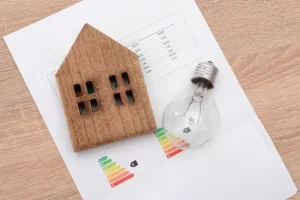
One of the most important measurements when comparing insulation is R-value. It describes resistance to heat flow. A higher R-value generally means better resistance to heat transfer for the tested material thickness. However, the R-value required for a roof depends on the climate, building design, energy regulations, and whether the insulation is installed at ceiling level or along the roof slope.
Thickness alone does not tell the complete story. Two materials with the same thickness may provide different thermal resistance because their structures and conductivity differ. Product labels and technical documentation should identify the relevant performance information.
It is also important to distinguish between the R-value of an individual insulation product and the performance of the complete roof assembly. Gaps, compressed sections, thermal bridges, air leakage, and moisture can reduce real-world performance. A carefully installed moderate-thickness system may perform better than a thicker system with significant installation defects.
When selecting the best roof insulation types, compare declared thermal conductivity, installed thickness, product condition, and compatibility with the roof design. Ask whether the quoted performance accounts for framing and other structural components.
Ventilation and Moisture Control Must Be Part of the Upgrade
Insulation and ventilation work together, but they serve different purposes. Insulation slows heat transfer. Ventilation helps manage air movement and, in suitable roof designs, can remove heat and moisture from roof spaces. A well-insulated roof can still develop problems if the assembly traps moisture or if ventilation pathways are blocked.
Warm indoor air contains moisture from cooking, bathing, breathing, and everyday activities. If this air leaks into colder roof spaces, it can cool and release moisture through condensation. Over time, persistent condensation may damage timber, reduce insulation performance, and encourage mold growth.
Air sealing is therefore an important part of many roof insulation projects. Gaps around pipes, wiring, ceiling fixtures, attic hatches, and service penetrations may allow warm, moist air to enter roof spaces. These areas should be assessed and sealed using suitable materials and safe methods.
Ventilation requirements depend on the roof design. Traditional vented roofs often use carefully planned intake and exhaust openings. Unvented assemblies follow a different approach and require specific control of temperature and moisture within the roof structure. Simply adding vents or sealing every opening without understanding the design can create new problems.
The best roof insulation types will not deliver their full benefits if moisture management is ignored. Before work begins, inspect the roof covering, flashing, underlayment, drainage, and visible timber for signs of leaks or damage. Correct water entry problems before installing new insulation.
Choosing Insulation for Your Climate, Roof Design, and Budget
Climate is one of the strongest influences on insulation selection. Homes in cold regions need to limit heat loss during long heating seasons. Properties in hot climates often need to reduce heat entering from sun-exposed roof surfaces. Buildings in mixed climates must handle both seasonal heating and cooling demands.
In hot regions, reflective roof surfaces and suitable radiant barriers may help reduce solar heat gain in certain roof designs. However, radiant barriers work differently from conventional insulation and should not be treated as a replacement for adequate thermal resistance. Their performance depends on installation details and the presence of an appropriate air space.
Roof shape also matters. A simple attic with accessible joists may be suitable for batts or loose-fill insulation. A vaulted ceiling or complex roof with limited access may require rigid boards, spray foam, or a carefully designed combination of materials.
Budget should be assessed over the expected life of the upgrade rather than by material price alone. A cheaper product may require more thickness, additional labor, or more complicated installation. A higher-cost option may provide advantages where space is limited or air sealing is especially important. Compare the complete installed cost, including preparation, repairs, labor, ventilation changes, and finishing work.
For many homeowners, the best roof insulation types are those that meet local performance requirements while remaining compatible with the building and affordable to install correctly. Request detailed quotations that identify the material, thickness, thermal rating, installation location, and any additional work.
Professional Installation and Long-Term Roof Performance
Even high-quality insulation can underperform when installation is careless. Before a complete upgrade, a professional should inspect the roof for leaks, damaged decking, deteriorating underlayment, poor drainage, and signs of condensation. Existing insulation should also be assessed to determine whether it can remain or needs removal.
The installation plan should address gaps, joints, penetrations, eaves, roof edges, and transitions between insulated and uninsulated areas. These details are important because small openings can create noticeable heat-loss pathways. The contractor should also explain how ventilation and moisture control will work after the upgrade.
Local building codes may specify minimum insulation performance, fire protection, vapor control, ventilation, and other construction requirements. These rules vary by location and building type. A qualified local contractor or building professional should confirm which requirements apply before work begins.
After installation, inspect the completed work where accessible. Check that insulation is continuous, correctly supported, and not compressed beyond product guidance. Confirm that ventilation paths remain open where required and that roof penetrations have been treated appropriately. Keep product information, installation records, and warranties for future maintenance.
A roof insulation upgrade is an investment in comfort and building performance. Choosing suitable materials, addressing moisture problems, and ensuring careful installation can help the system remain effective for many years.
Frequently Asked Questions
What are the best roof insulation types for residential homes?
Fiberglass, mineral wool, rigid foam boards, cellulose, and spray foam can all be suitable, depending on roof design, climate, budget, and moisture conditions. The right option should provide appropriate thermal resistance, fit the available space, and work with the roof’s ventilation and moisture-control strategy.
Is spray foam better than fiberglass for roof insulation?
Spray foam can provide strong insulation and air sealing, particularly in complex roof spaces. Fiberglass is often more affordable and easier to install in accessible cavities. Neither is universally better. Compare thermal performance, installation quality, moisture behavior, cost, and suitability for the specific roof assembly.
How do I know if my roof needs new insulation?
Uneven indoor temperatures, high heating or cooling demand, cold ceilings, drafts, and visibly damaged or compressed insulation may indicate a problem. These signs can also have other causes. A qualified professional can inspect the roof, check for moisture, and recommend an appropriate upgrade.