Every winter, my neighbor Dana used to complain about the same thing. Her heating bill kept climbing, yet one corner of her living room stayed cold enough to need a blanket. She replaced the thermostat, then the curtains, then bought a space heater. Nothing worked.
The real culprit turned out to be an unsealed gap around an attic hatch and thin insulation above that corner. A weekend of air sealing and a few rolls of insulation fixed what months of guessing had not. Her story shows a simple truth. Most homes do not waste energy because of one dramatic flaw. They leak it through small, hidden weaknesses. This guide shows you where to look, what to fix first, and how to boost home energy efficiency in a sensible order, so every dollar and hour you spend works harder.
Start With the Numbers: Where Your Home Wastes Energy
Before you buy anything, understand where your energy goes. In a typical home, heating and cooling account for roughly half of energy use, with water heating, lighting, appliances, and electronics sharing the rest. That means the biggest savings usually hide in your building shell and your HVAC system, not in unplugging a phone charger.
Climate, house age, and habits change the picture, so your numbers may differ. A drafty 1950s house in a cold region loses most of its energy through the envelope, the barrier of walls, roof, floor, windows, and doors that separates indoors from outdoors. A newer home in a hot climate may lose more through air conditioning, sun-baked windows, and duct leaks.
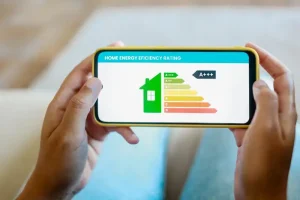
Look at your utility bills for the last twelve months. Notice which months spike, and compare them with weather patterns. A sharp winter spike points to heating losses. A summer spike suggests cooling or solar heat gain. This simple review costs nothing and helps you set priorities. Think of it like a doctor’s checkup. You diagnose first, then treat.
Get a Home Energy Audit and Find the Real Leaks
If you want to boost home energy efficiency in a targeted way, an energy audit is the best first investment. A professional auditor inspects your insulation, windows, ductwork, appliances, and heating and cooling equipment. Many use a blower door test, which depressurizes the house to reveal air leaks, and an infrared camera, which shows hidden cold spots and missing insulation.
Audit costs vary by region and scope, and some utilities offer free or discounted assessments, so ask your provider. You will receive a prioritized list of improvements, often with estimated savings and payback times. That list prevents the classic mistake of buying new windows when the attic is the real problem.
You can also do a basic DIY audit. On a windy day, hold a stick of incense near window frames, electrical outlets, baseboards, attic hatches, and recessed lights, and watch the smoke for movement. Check your attic for visible insulation depth and gaps. Feel for cold or warm spots on ceilings and walls. Look for daylight around door frames. These clues tell you where to start, and they give you better questions for contractors.
Seal Air Leaks First: The Cheapest Big Win
Air sealing is the most cost-effective step for most homes. Warm air escapes through gaps in winter, and hot air sneaks in during summer. These leaks add up. According to the EPA’s ENERGY STAR program, adding insulation in the right places and reducing unwanted air leaks can save up to 15 percent on heating and cooling bills. ENERGY STAR also reports that this combination can cut total energy costs by around 11 percent.
Begin with the largest openings. Seal gaps around plumbing and wiring penetrations, attic hatches, chimneys, and recessed lights using caulk, expanding foam, or fire-rated sealant where required. Use weatherstripping around doors and operable windows, and install door sweeps at the bottom. Replace worn gaskets on the garage-to-house door. Fill gaps along baseboards and trim with flexible caulk.
Do not forget the attic and basement, where major leaks often lurk. Stack effect, the tendency of warm air to rise and escape through the top of the house, pulls cold air in below. Sealing the top and bottom reduces this chimney-like draw. One important safety note: a tighter house needs proper ventilation. If you have gas appliances, a fireplace, or older equipment, ask a professional to check combustion safety and indoor air quality after sealing. Tight does not mean stuffy, but it does mean planning fresh air deliberately.
Insulation: The Quiet Way to Boost Home Energy Efficiency
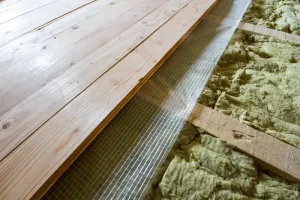
Insulation slows heat flow, keeping warmth inside in winter and outside in summer. It works silently, which is why homeowners often neglect it. Yet attics are one of the most important places to insulate, because heat rises and escapes through the roof.
Insulation is rated by R-value, a measure of resistance to heat flow. Higher numbers mean better performance. Recommended levels vary by climate zone, and cold regions need more than warm ones. Many experts suggest attic insulation in the range of R-38 to R-60 depending on location, but check the U.S. Department of Energy’s zone guidance or local codes for your area. If you can see the tops of your ceiling joists, you probably need more.
Common materials include fiberglass batts, blown-in cellulose, blown-in fiberglass, mineral wool, and spray foam. Blown-in insulation fills irregular spaces well and suits attic floors. Spray foam seals and insulates at once, but costs more and demands skilled installation. Walls are harder to retrofit, though dense-pack cellulose can be added to existing cavities. Basements and crawl spaces matter too, particularly rim joists, where wood framing meets the foundation and leaks are common.
Remember that moisture and insulation interact. Wet insulation loses effectiveness, and trapped moisture can cause mold or rot. Fix roof leaks, plumbing drips, and humidity problems first, and keep attic ventilation clear. The Department of Energy cautions about avoiding blocked soffit vents. A little care prevents big headaches.
Windows and Doors: Fix Before You Replace
Windows get a lot of attention, but full replacement is often an expensive way to boost home energy efficiency. New windows can cost thousands of dollars, and payback may take many years, especially if the old ones are in decent shape. Often, a cheaper strategy captures much of the benefit.
Start by sealing and weatherstripping existing windows. Add storm windows, either exterior or interior, which create an insulating air layer and can approach the performance of modern windows at lower cost. Use heavy, lined curtains or cellular shades in winter to reduce heat loss, and close them on hot afternoons to block sun. Window films, particularly low-emissivity types, can reduce heat gain in sunny climates. Exterior shading, such as awnings, trees, or shutters, blocks solar heat before it enters, which is more effective than blocking it inside.
Replace windows when frames are rotted, glass is broken, seals have failed, or you are renovating anyway. When you do, look for ENERGY STAR certified products suited to your climate zone, with the right balance of U-factor, which measures insulation, and solar heat gain coefficient, which measures how much solar heat passes through. Doors deserve attention too. A solid, insulated door with good weatherstripping saves energy and improves security. Cheap fixes like adding a storm door or replacing worn thresholds can close big gaps.
Heating, Cooling, and Smarter Thermostats
Once the shell is tight, turn to your HVAC system. A tighter, better-insulated home often needs a smaller system, so do envelope work before replacing equipment. Oversized systems cycle on and off, waste energy, and feel less comfortable. Ask a contractor to perform a load calculation, known as Manual J, instead of simply matching the old unit’s size.
Maintenance is essential and cheap. Replace filters regularly, usually every one to three months. Clean vents and registers, keep outdoor units clear of debris, and schedule annual tune-ups. Dirty filters force equipment to work harder and waste energy. Ducts deserve attention as well. In many homes, ducts run through attics or crawl spaces and leak air before it reaches rooms. Sealing ducts with mastic and insulating them can improve comfort and cut waste noticeably.
When replacement makes sense, consider a heat pump. Modern heat pumps move heat rather than generate it, so they can deliver two to three times more heating energy than they consume in electricity under suitable conditions, and cold-climate models work well in many northern regions. They also provide cooling, which means one system can handle both seasons. Compare efficiency ratings such as SEER2 and HSPF2, and evaluate total installed cost, not just equipment price.
A programmable or smart thermostat helps you avoid heating or cooling an empty house. The Department of Energy notes that turning your thermostat back 7 to 10 degrees Fahrenheit for eight hours a day can save up to about 10 percent a year on heating and cooling. The best thermostat is the one you actually use well, so choose something you find simple.
Water Heating, Lighting, and Appliances
After heating and cooling, water heating is often the next largest energy use. Start with simple steps. Lower the water heater setpoint to around 120 degrees Fahrenheit, insulate hot water pipes within reach, and fix leaky faucets. Install low-flow showerheads, which reduce hot water use without sacrificing comfort. When the tank needs replacing, consider a heat pump water heater, which can use far less electricity than conventional electric resistance models, often around two to three times more efficient.
Lighting is one of the easiest upgrades. LED bulbs use at least 75 percent less energy than traditional incandescent bulbs and last many times longer, according to the Department of Energy. Replace the bulbs you use most, such as kitchen and living room lights, first. Add dimmers, timers, and motion sensors where they make sense.
Appliances and electronics matter more than people think. Refrigerators run around the clock, so an old, inefficient model can be costly. ENERGY STAR certified appliances use less energy than standard models, and replacing a decades-old fridge can pay back over time. Wash clothes in cold water when possible, run full loads, and clean the dryer lint trap and vent. Standby power, also called phantom load, comes from devices that draw electricity even when off. Smart power strips can cut this waste, especially around entertainment centers and home offices.
Everyday Habits That Keep Savings Going
Technology helps, but habits seal the deal. Small, consistent behaviors can boost home energy efficiency without spending much. Let sunlight in during winter days and close blinds during summer afternoons. Use ceiling fans to feel cooler at a higher thermostat setting, remembering to switch them off when you leave the room, since fans cool people, not spaces. Reverse fan direction in winter to push warm air down gently.
Dress for the season indoors and use blankets or warm slippers rather than raising the heat. Close doors to unused rooms in extreme weather if your system allows. Cook with lids on pots, use microwaves or air fryers for small meals, and avoid opening the oven door constantly. Air dry dishes when you can. Wash laundry in batches, and consider a clothesline in good weather.
Track your usage. Many utilities offer online dashboards and alerts that show daily or hourly consumption. Seeing a spike after a change can teach you more than any article. Involve your household by setting a simple goal, like cutting your bill by ten percent, and celebrate wins together. Energy saving feels less like sacrifice when it becomes a shared project.
Incentives, Costs, and Smart Prioritizing
Money shapes decisions, so let us be practical about it. The federal landscape changed recently. The Energy Efficient Home Improvement Credit under Section 25C and the Residential Clean Energy Credit under Section 25D both ended. According to tax guidance, the One Big Beautiful Bill Act repealed both credits effective December 31, 2025, so purchases made in 2026 do not qualify, although qualifying improvements completed before that date can still be claimed on a 2025 return using IRS Form 5695.
That does not mean help has vanished. State energy offices, local governments, and utilities often offer rebates, discounted audits, low-interest loans, and weatherization programs for qualifying households. The Department of Energy’s Weatherization Assistance Program supports eligible lower-income homeowners and renters. Programs change quickly, so check current offerings before you buy, and confirm eligibility rules and application deadlines in advance.
When budgeting, think in layers. Low-cost, high-impact steps come first: air sealing, weatherstripping, LED bulbs, thermostat settings, and filter changes. Medium-cost steps follow: attic insulation, duct sealing, and water heater upgrades. Larger investments come last: new HVAC systems, windows, and major renovations, ideally timed with equipment end of life. Payback varies widely, so ask contractors for written estimates of savings and use conservative assumptions. Cost estimates from online sources vary by region and quality, so get at least two or three local quotes.
Expert Advice From Auditors and Building Scientists
People who work on homes every day repeat several lessons. First, treat the house as a system. Insulation, air sealing, ventilation, and HVAC all affect each other, and changing one can influence the rest. That is why a whole-house approach beats piecemeal fixes. Second, fix the envelope before the equipment. A well-sealed, insulated home often needs a smaller, cheaper, quieter HVAC system.
Third, do not chase gadgets. Smart devices can help, but they cannot compensate for a leaky attic. Fourth, mind moisture and ventilation. Healthy, efficient homes control humidity, exhaust bathroom and kitchen moisture, and bring in fresh air. Fifth, hire qualified professionals. Look for certified auditors, licensed contractors, and written scopes of work. Ask for references and check that installers follow manufacturer and code requirements, particularly for combustion appliances and electrical work.
Sixth, measure results. Compare bills before and after, adjusting for weather, and keep records for resale. Documented upgrades can make your home more attractive to buyers. Finally, be patient. Efficiency is a series of sensible steps, not a single dramatic purchase. Progress counts, even when it arrives one caulk bead at a time.
Final Thought
Behind every high energy bill is a home trying to tell you something. A cold corner, a drafty door, a noisy furnace, an attic that feels like an oven. These are not annoyances to endure. They are clues, and they point toward a house that could be more comfortable, quieter, and cheaper to live in.
Start where the evidence points. Check your bills, test for drafts, look into the attic, and seal what leaks. Then insulate, tune your system, and build habits that last. To boost home energy efficiency is not about sacrifice or perfection. It is about caring for the place that shelters you, one practical step at a time, until the cold corner is finally warm and the monthly bill feels a little lighter.