Energy costs have become an important concern for homeowners. Heating, cooling, lighting, cooking, and household appliances all contribute to monthly electricity or fuel bills. Even a home that looks comfortable may waste energy through poorly insulated walls, outdated equipment, leaking windows, or inefficient daily habits. These problems often remain unnoticed until utility bills become unexpectedly high.
Improving home energy efficiency is about getting better performance from the energy your household already uses. It does not necessarily mean investing in expensive technology or replacing every appliance. Sometimes, sealing a small air leak, adjusting a thermostat, or improving attic insulation can make a noticeable difference.
The financial benefits can be meaningful. According to the U.S. Environmental Protection Agency, homeowners can save an average of 11% on total energy costs by combining air sealing with insulation improvements in selected areas of a typical existing home. Heating and cooling expenses can decrease by approximately 15%, although actual results depend on climate and building conditions.
A more efficient home also offers additional benefits. Rooms maintain more consistent temperatures, heating and cooling systems experience less unnecessary demand, and indoor comfort improves. With the right strategy, home energy efficiency becomes a practical investment in both household finances and everyday living.
Understanding How a Home Energy Audit Works
Before spending money on upgrades, homeowners should understand where energy is being wasted. A home energy audit provides a structured assessment of how a building consumes energy and identifies improvements that can reduce unnecessary usage. It examines the building envelope, insulation, ventilation, lighting, appliances, and heating or cooling equipment.
An audit can be performed as a basic household inspection or as a professional assessment. The more detailed approach may include specialized testing and equipment to identify problems that are difficult to notice during an ordinary walkthrough.
What Professionals Examine During an Energy Audit
A professional energy assessor typically begins by reviewing utility bills and understanding how the household uses energy. Previous electricity or heating bills can reveal seasonal patterns, unusual consumption, and possible equipment problems. This information provides a useful starting point for the inspection.
The assessor then examines windows, doors, ceilings, walls, roof spaces, and other areas where conditioned air may escape. A blower door test can help identify unwanted air leakage by using a powerful fan to create a controlled pressure difference inside the building. Thermal imaging cameras may also reveal insulation gaps, temperature differences, and potential moisture concerns.
Heating and cooling equipment receives particular attention. Professionals inspect system condition, filters, duct connections, controls, and ventilation. Poorly maintained equipment or leaking ducts can force systems to work harder than necessary.
The final assessment should explain which problems deserve attention first. Rather than recommending every possible upgrade, a useful audit connects identified weaknesses with practical improvements, estimated costs, and expected benefits.
How to Perform a Basic Home Energy Assessment Yourself
Homeowners can identify several common energy problems without purchasing professional equipment. Start by examining doors and windows for drafts. On a windy day, feel around their edges to identify areas where outside air enters. Check whether weatherstripping is damaged or whether visible gaps require suitable sealing.
Next, inspect accessible insulation areas, especially the attic. Look for uneven coverage, compressed insulation, moisture damage, or exposed sections. Examine lighting and household appliances to identify older products that consume more electricity than necessary.
Review several months of utility bills to understand consumption patterns. A sudden increase may indicate an inefficient appliance, changing household habits, or a problem with heating and cooling equipment.
These observations provide useful information, but they cannot replace a professional inspection when structural, electrical, combustion, or moisture-related concerns exist. A thorough home energy efficiency assessment helps ensure that improvements address the actual causes of energy waste.
Upgrade Insulation and Seal Unwanted Air Leaks
Insulation and air sealing are among the most valuable improvements for many existing homes. They help control heat movement and prevent conditioned air from escaping. Without adequate protection, heating and cooling systems must operate longer to maintain comfortable indoor temperatures.
Consider a home that feels cold near its windows during winter but becomes uncomfortably warm during summer afternoons. The problem may not be the heating or cooling equipment. Poor insulation and air leakage could be allowing outside temperatures to influence indoor conditions.
Improving the building envelope can address these issues while reducing unnecessary energy consumption.
Choose the Right Insulation for Different Areas
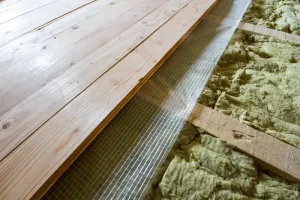
Insulation is available in several forms, including fiberglass batts, mineral wool, cellulose, and spray foam. Each option has different thermal, moisture, installation, and cost characteristics.
Attics are often a useful starting point because heat can move through an inadequately insulated roof or ceiling. Adding appropriate insulation can reduce unwanted heat transfer and help maintain more consistent indoor temperatures.
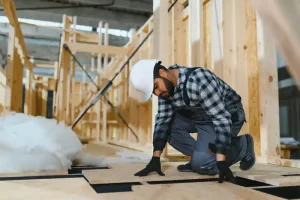
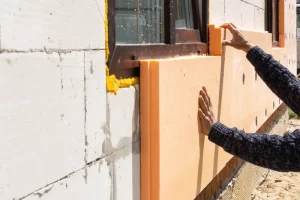
Wall insulation may also improve performance, especially in older properties with poorly insulated cavities. However, contractors should examine wall construction and moisture conditions before recommending an installation method.
Floors above unheated spaces, basements, and crawl spaces may require additional attention. The correct solution depends on local climate, building design, and existing insulation levels.
Reduce Drafts Around Windows and Doors
Small openings around windows, doors, electrical penetrations, and plumbing connections can contribute to significant air leakage. Weatherstripping, suitable caulk, and professionally installed sealing materials can address many of these problems.
ENERGY STAR estimates that combining air sealing with insulation improvements can reduce total annual energy costs by an average of 11% in typical U.S. homes covered by its methodology. The actual benefit varies according to climate and existing building conditions.
However, sealing should never be performed without considering ventilation and combustion safety. A tightly sealed home still needs an appropriate supply of fresh air and effective moisture removal. Professional guidance is particularly important when fuel-burning appliances are present.
Improve Heating, Cooling, and Ventilation Systems
Heating and cooling systems can represent a substantial portion of household energy consumption. An outdated air conditioner, inefficient furnace, or poorly maintained heat pump may use more energy than necessary while struggling to maintain comfortable temperatures.
The first step should be maintenance rather than immediate replacement. Dirty filters restrict airflow, blocked vents affect circulation, and neglected components can reduce equipment performance. Regular servicing helps identify developing problems before they become expensive repairs.
If a system is older or no longer performs reliably, compare modern alternatives. High-efficiency heat pumps can provide heating and cooling through a single system. Their suitability depends on local climate, electricity prices, building insulation, and installation quality.
Proper sizing is essential. An oversized system may cycle frequently, while an undersized unit may struggle during extreme weather. Ask a qualified contractor to evaluate the building’s heating and cooling requirements before recommending equipment.
Ductwork also deserves attention. Leaks in ducts can waste conditioned air, particularly when they pass through attics, garages, or other unconditioned spaces. ENERGY STAR notes that properly sealing and insulating accessible ducts can improve heating and cooling system efficiency by up to 20% in suitable circumstances.
Ventilation should be part of the same improvement strategy. Kitchen exhaust fans, bathroom ventilation, and suitable fresh-air systems help manage humidity and indoor pollutants. Effective home energy efficiency should never come at the expense of healthy indoor air.
Invest in Energy-Efficient Appliances and Lighting
Household appliances consume energy throughout everyday activities. Refrigerators operate continuously, washing machines run regularly, and cooking equipment contributes to electricity or gas consumption. Older products may use considerably more energy than suitable modern alternatives.
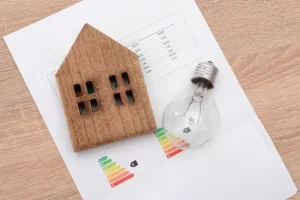
Replacing appliances strategically can improve home energy efficiency without requiring major structural changes. Look for recognized energy labels and compare annual consumption rather than relying only on product appearance or advertised features.
Refrigerators deserve particular attention because they operate throughout the day. Choose a model that matches household requirements instead of purchasing unnecessarily large equipment. Check door seals, clean accessible coils according to manufacturer instructions, and maintain suitable temperature settings.
Washing machines and dishwashers can also reduce resource consumption when operated efficiently. Running full loads and selecting appropriate wash cycles helps avoid unnecessary water and electricity use.
Lighting upgrades are often easier to implement. LED bulbs generally use significantly less electricity than traditional incandescent bulbs and have longer operating lifespans. Replacing frequently used lights can gradually reduce electricity consumption.
Natural daylight can provide additional savings. Arrange workspaces near suitable windows where practical, and use window coverings to manage glare and unwanted solar heat.
Smart lighting controls, occupancy sensors, and timers can further reduce unnecessary usage. However, their benefits depend on household routines. A simple habit of switching off unused lights remains valuable.
Use Smart Home Technology to Control Energy Consumption
Technology gives homeowners more control over how and when energy is consumed. Smart thermostats, connected plugs, energy monitors, and automated lighting systems can provide useful information and reduce unnecessary usage.
A smart thermostat can adjust heating and cooling schedules according to household routines. For example, a family that spends most weekdays outside the home may reduce unnecessary cooling or heating during those hours. The system can then return to a comfortable setting before everyone arrives.
Energy monitors provide another useful feature. Some devices track electricity consumption in real time and help identify appliances that use unusually large amounts of power. This information makes it easier to understand which activities contribute most to household energy expenses.
Smart plugs can help control compatible devices that otherwise remain in standby mode. However, they should only be used with appliances that support this type of control.
Technology should solve a genuine household problem rather than create another unnecessary expense. Before purchasing connected equipment, compare its price, compatibility, security features, and expected savings.
A practical approach to home energy efficiency combines automation with sensible habits. Smart systems can provide information and convenience, but they work best when homeowners understand and act on the information they receive.
Explore Renewable Energy and Better Water Heating Options
Once major efficiency problems have been addressed, homeowners can consider renewable energy systems. Solar photovoltaic panels are a popular option because they convert sunlight into electricity that can be used within the home.
Before installing solar panels, evaluate roof orientation, shading, structural condition, local sunlight levels, and electricity tariffs. A professional installer should estimate system production and explain how the equipment will interact with the existing electrical setup.
Battery storage may provide additional flexibility by storing surplus electricity for later use. However, batteries increase the initial investment, so their financial value depends on energy prices, available incentives, electricity export arrangements, and household consumption patterns.
Water heating is another area where upgrades can make a difference. Conventional water heaters may consume substantial energy, particularly in households with frequent hot-water demand. Efficient heat pump water heaters can offer an alternative in suitable locations.
Solar water heating may also be appropriate where sunlight availability and installation conditions support reliable performance.
Insulating accessible hot-water pipes and maintaining suitable water heater settings can provide additional improvements. These smaller measures may be more practical for homeowners who are not ready to invest in a complete renewable energy system.
Calculate the Real Cost Savings of Energy Improvements
A successful efficiency project should be evaluated through both upfront expenses and long-term benefits. A product that costs less initially may become more expensive if it consumes more electricity or requires frequent repairs.
Start by establishing your current energy spending. Review utility bills and identify the largest consumption categories. Then compare the purchase price, installation costs, expected energy reduction, maintenance requirements, and lifespan of potential upgrades.
For example, replacing frequently used incandescent bulbs with LEDs generally requires a relatively small investment. Improving attic insulation may involve a higher initial expense but can influence heating and cooling costs for many years.
The latest available UK government analysis, published in June 2026, provides useful evidence of how improvements perform in real homes. Its 2024 consumption analysis found median gas savings of 17% following solid wall insulation installed in the previous year in the assessed properties across England and Wales. Results varied by measure and property, demonstrating why individual building conditions matter.
GOV.UK+1
Understand the Payback Period
The payback period estimates how long an improvement takes to recover its initial cost through reduced energy expenses.
For example, if an upgrade costs $1,200 and saves approximately $200 annually, its simple payback period is six years. This calculation does not include financing costs, maintenance, changing energy prices, or possible changes in household consumption.
Not every improvement delivers immediate financial returns. Some upgrades also provide better comfort, improved air quality, reduced maintenance, and greater property appeal.
Look for Incentives and Financial Assistance
Government programs, utility companies, and local authorities sometimes offer rebates or financial support for insulation, efficient appliances, heating upgrades, and renewable energy installations.
Eligibility varies by location, household circumstances, equipment specifications, and installation requirements. Check official program information before purchasing equipment because some incentives require approved contractors or specific product certifications.
A realistic financial plan makes home energy efficiency more achievable. Instead of completing every upgrade simultaneously, prioritize improvements with strong practical benefits and manageable costs.
Expert Advice for Maintaining Long-Term Energy Efficiency
Energy improvements are not one-time activities. A home needs regular attention to maintain its performance. Filters become dirty, weatherstripping deteriorates, ventilation systems require maintenance, and appliances gradually lose efficiency.
Experts recommend reviewing household energy consumption regularly rather than waiting for unusually high bills. Comparing monthly usage across similar seasons can help identify changes that deserve investigation.
Pay attention to temperature differences between rooms. A bedroom that remains warmer than other spaces may indicate airflow problems, insulation gaps, or inadequate shading. Addressing the underlying issue is usually more effective than continually adjusting the thermostat.
Avoid replacing windows or heating systems simply because newer products are available. First determine whether the existing equipment can be repaired, maintained, or improved. A well-planned upgrade should solve a specific performance problem.
Professional assessments are particularly useful before major investments. Qualified energy auditors and building specialists can evaluate insulation, ventilation, heating equipment, and moisture conditions together. This reduces the risk of spending money on improvements that do not work well as a complete system.
Most importantly, remember that home energy efficiency develops through consistent decisions. A combination of sensible upgrades, preventive maintenance, and everyday awareness can gradually reduce waste while creating a more comfortable home.
Conclusion
A more energy-efficient home does not have to begin with an expensive renovation. It starts with understanding where energy is being wasted and choosing improvements that address those problems. Professional audits, effective insulation, air sealing, efficient appliances, modern heating systems, and smart controls can all contribute to better performance.
The best approach is to prioritize upgrades according to your property’s actual needs and your available budget. Small changes can provide useful results, while carefully planned investments can deliver lasting benefits.
Ultimately, home energy efficiency is about making your home work smarter. By combining informed decisions with regular maintenance, you can reduce unnecessary expenses, improve everyday comfort, and create a more sustainable living environment.