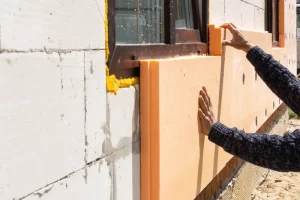
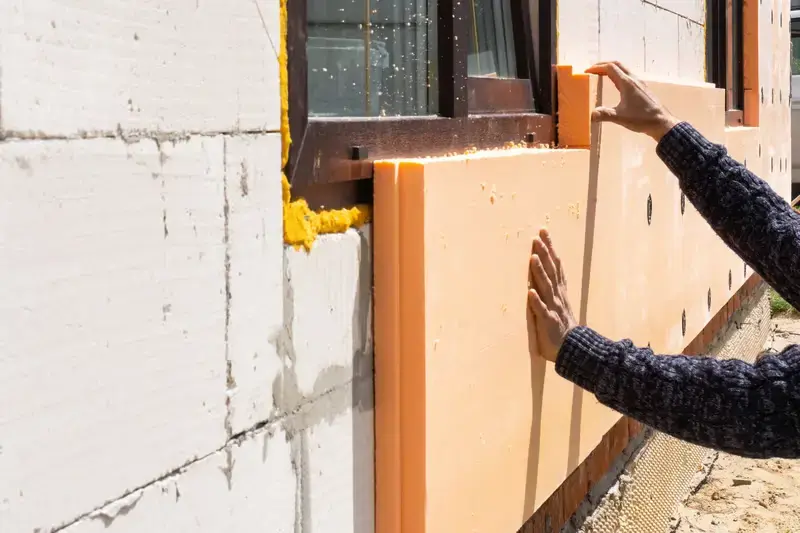
Modern outside wall insulation is a system that adds an insulating layer to the exterior of a building, then covers it with a protective finish. It keeps heat inside during winter, keeps it out during summer, and protects the original wall from weather.
You may also hear it called external wall insulation, exterior insulation, or EWI. In some regions, the closely related name is ETICS, which stands for External Thermal Insulation Composite System. The idea is simple. Instead of insulating from inside and losing floor space, you wrap the house like a warm coat from outside. The result is a building that holds steady temperatures with less heating and cooling effort.
Key Features That Define Modern Systems
Not every wall wrap is equal. Today’s systems share several features that separate them from older, basic methods.
A Continuous Thermal Layer
The biggest advantage is continuity. Because the insulation covers the whole outer surface, it reduces thermal bridging, which happens when heat escapes through solid parts such as concrete lintels, floor edges, or framing. Interior insulation often leaves these gaps. A continuous outer layer wraps over them and keeps the building envelope tight.
Multi-Layer System Design
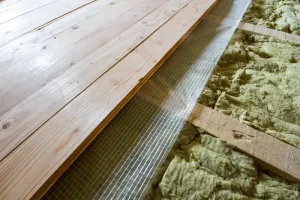
A typical system has several parts working together. An adhesive or mechanical fixing holds the insulation boards to the wall. The boards form the thermal core. A reinforcing layer, usually a base coat with a glass fibre mesh, adds strength. A finishing coat, such as render, brick slips, or cladding, gives the final look and weather protection. Each layer has a job, and good installers treat them as one system, not a pile of separate products.
Breathability and Moisture Control
Walls must be able to release moisture. Modern outside wall insulation uses materials and finishes designed to manage vapour so that damp does not become trapped. Mineral wool, wood fibre, and vapour-open renders suit older buildings that need to breathe. A well-designed system also includes sealed edges, drip details, and flashing to keep rain out of joints.
Fire Safety and Compliance
Fire performance matters greatly, especially for taller buildings. Many regions now apply strict rules on combustible materials in external walls. Non-combustible options such as mineral wool carry high fire ratings, while foam boards need careful detailing and testing. Always ask for certified systems and test evidence that meet your local building regulations.
Common Insulation Materials Compared
Choosing the right material shapes performance, cost, and comfort.
Expanded polystyrene, known as EPS, is lightweight, affordable, and widely used. It offers good thermal performance for its price. Graphite-enhanced EPS adds a little more insulating power at the same thickness. Mineral wool, also called stone wool, is non-combustible, helps with sound reduction, and handles moisture well, though it is heavier and costs more.
Phenolic and polyisocyanurate boards, often called PIR, give very high thermal performance in thin layers. They suit homes where space near boundaries or windows is tight. Natural options such as wood fibre and cork appeal to people who want lower embodied carbon and a breathable wall. They tend to cost more, but they perform well for comfort and sustainability.
Thermal performance is measured by a lambda value, where a lower number means better insulation. The thickness needed depends on the material, your wall type, and your local energy rules. Many retrofits use boards between 60 and 200 millimetres, but a surveyor can confirm the right amount for your home.
Energy Savings and Comfort You Can Expect
Savings vary, but the benefits are real. Energy bodies in the UK have estimated that insulating solid walls can save a typical household hundreds of pounds a year, with the exact figure depending on house size, fuel prices, and current wall condition. Check the latest estimates from your national energy agency before planning your budget.
Comfort improves in ways a bill cannot show. Rooms feel warmer, cold spots fade, and condensation often drops because wall surfaces stay closer to room temperature. Many homeowners also notice less street noise, especially with dense materials such as mineral wool. In summer, the layer slows heat entering the walls, which helps keep rooms cooler. Modern outside wall insulation also protects the original brickwork or masonry from frost and rain, which can extend the life of the structure.
Finishes and Curb Appeal
A modern system does more than insulate. It changes how a home looks. Render finishes come in smooth, textured, or pebble styles and in a wide range of colors. Silicone and acrylic renders resist dirt and algae better than older mineral types. Brick slips give the look of traditional masonry. Timber, metal, or fibre cement cladding suit contemporary designs.
Choose colors carefully, because very dark shades can absorb more heat and stress some finishes. Look at samples outdoors in different light. If you live in a conservation area or a listed building, check planning rules first, since external changes may need permission. A good designer can keep character details, such as window reveals and eaves, looking neat.
Cost, Payback, and Funding
Costs depend on your home size, material choice, access, and local labour rates. In the UK, external wall insulation for a typical semi-detached house has often been quoted in the range of several thousand to over fifteen thousand pounds, while prices in other countries differ. Treat these as rough guides and collect at least three written quotes.
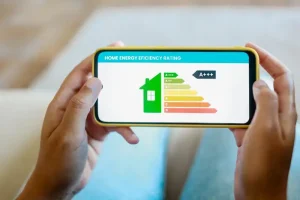
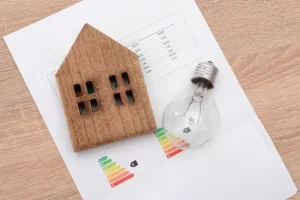
Payback usually takes years rather than months, so think long term. Insulation lasts for decades and can raise a home’s energy efficiency rating, which can help with resale appeal. Many governments run grants, tax credits, or low interest schemes for energy upgrades, and these change often. Check official sources in your country before you start, because eligibility rules can depend on income, home type, and installer certification.
A Real-Life Example of the Difference
Here is a composite story based on common projects. A family owned a three-bedroom solid brick house built in the 1950s. The rooms facing north were always damp and cold, and mould kept returning on bedroom walls.
They hired a certified installer who surveyed the walls, repaired cracks, and fitted mineral wool boards with a vapour-open render. The team also fixed the window reveals and sealed gaps around pipes. Within the first winter, the damp patches faded, and the house stayed warmer with the heating on for fewer hours. The lesson was clear. Good preparation and the right materials mattered as much as the insulation itself, and modern outside wall insulation worked because the whole wall system was planned with care.
How the Installation Process Works
Knowing the steps helps you judge a contractor’s quality. It begins with a survey that checks wall type, damp, structural condition, and the need for ventilation. The installer then prepares the walls, repairing damage and treating any moisture problems. Next, they fit a starter track at the base, apply adhesive, and fix the boards with mechanical anchors.
After that, the team adds the base coat and mesh, followed by primer and the final finish. Details around windows, doors, roof lines, and pipes need special attention, because poor detailing is the most common cause of later problems. Installation usually takes one to three weeks for a typical house, depending on weather and size. Good installers also provide a guarantee, often with an insurance backed warranty, and give you documents to keep.
Expert Insights Worth Remembering
Building scientists and surveyors often repeat a few rules. Fix damp and structural issues before insulating, because covering a problem wall can hide it and make it worse. Treat the building as a whole, including windows, roof, and ventilation, since a well insulated house still needs fresh air.
Experts also advise choosing installers with recognised accreditation and system approvals, because the quality of workmanship decides long term results. Ask to see completed projects and speak with past customers. Plan airtightness and ventilation together, as sealing a home too tightly without proper airflow can create indoor air problems. For listed or historic buildings, consult a conservation specialist. Standards and regulations vary by country, so confirm local requirements with your building control office.
Common Mistakes to Avoid
The most common mistake is choosing the lowest quote without checking the system and installer credentials. Cheap work often cuts corners on detailing and preparation. Another mistake is ignoring existing damp or cracks. Insulation does not cure these problems.
Some owners forget about window sills, gutters, and downpipes, which may need extending or moving once the wall gets thicker. Others overlook planning permission or neighbor boundaries. A final mistake is mixing parts from different suppliers, since certified systems are tested as a complete package. Following these checks protects your investment and keeps modern outside wall insulation performing as designed.
Final Thoughts
Insulating your outer walls is one of the most meaningful upgrades you can give a home. It cuts waste, softens noise, protects the structure, and refreshes the look of the building. Daniel, the homeowner from our opening story, now sits near his front window in winter and no longer feels that old draft.
Start with a professional survey, set a realistic budget, and choose a certified system that suits your wall and climate. Take it step by step. With careful planning, modern outside wall insulation can make your home warmer, quieter, and kinder to your wallet for many years.
FAQs
What is modern outside wall insulation?
It is a multi-layer system fixed to the outside of a building, made of insulation boards, a reinforced base coat, and a protective finish. It reduces heat loss, limits thermal bridging, improves comfort, and can refresh the exterior appearance of the property.
Is outside wall insulation better than inside insulation?
Often yes, because it covers the whole wall, reduces thermal bridging, and keeps interior floor space. It also protects the original masonry from weather. Inside insulation can be cheaper and suits some listed buildings, so the best choice depends on your home and budget.
How long does outside wall insulation last?
A well-installed system with quality materials can last 25 to 40 years or more, depending on climate, maintenance, and workmanship. Regular checks of the finish, sealants, and drainage details help prevent damage and keep the insulation performing well over time.